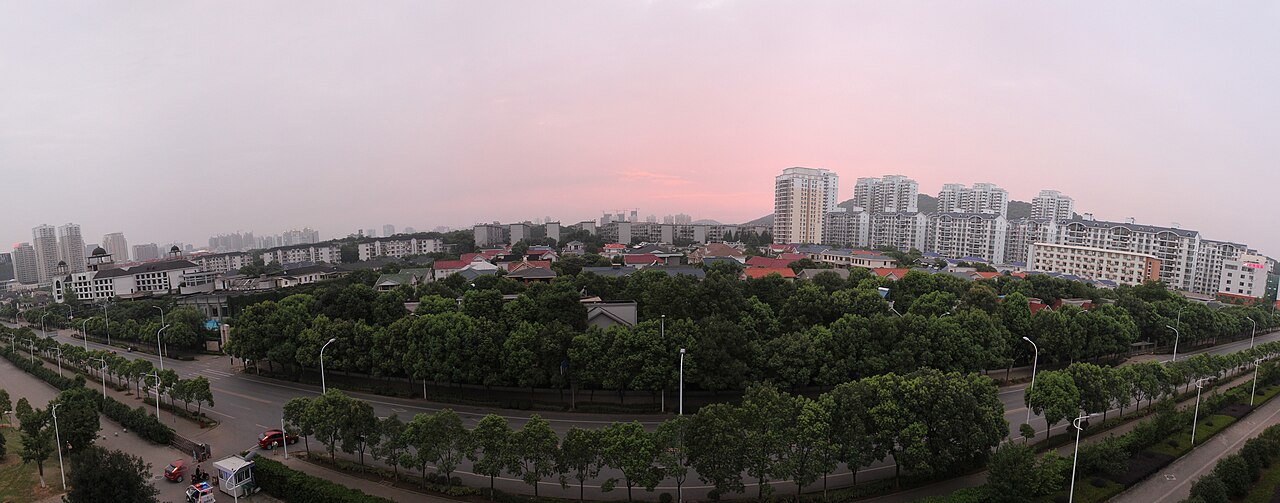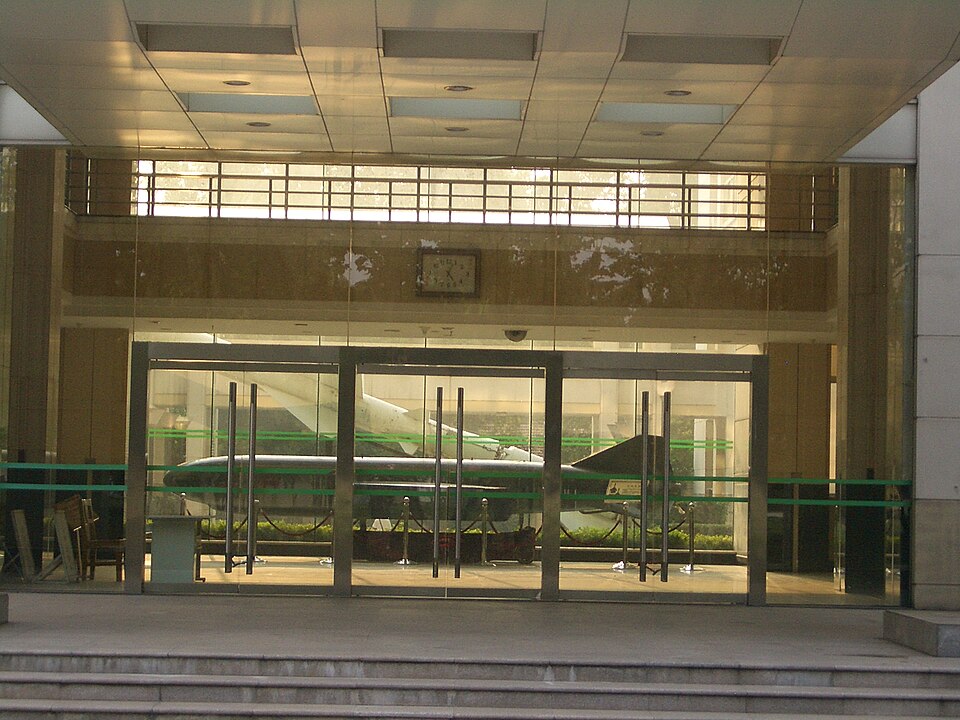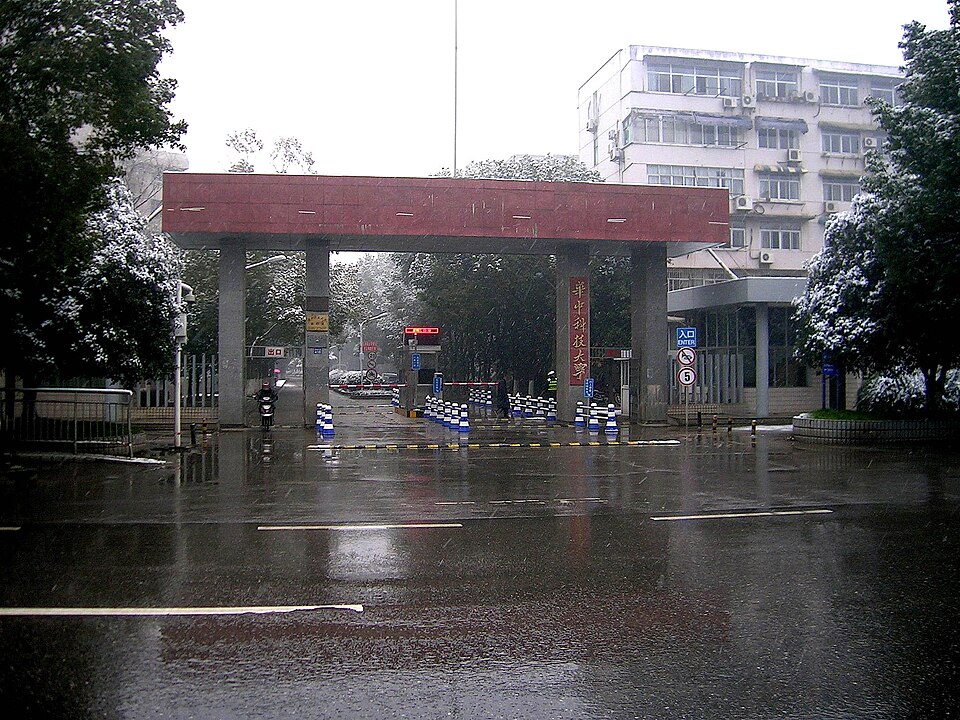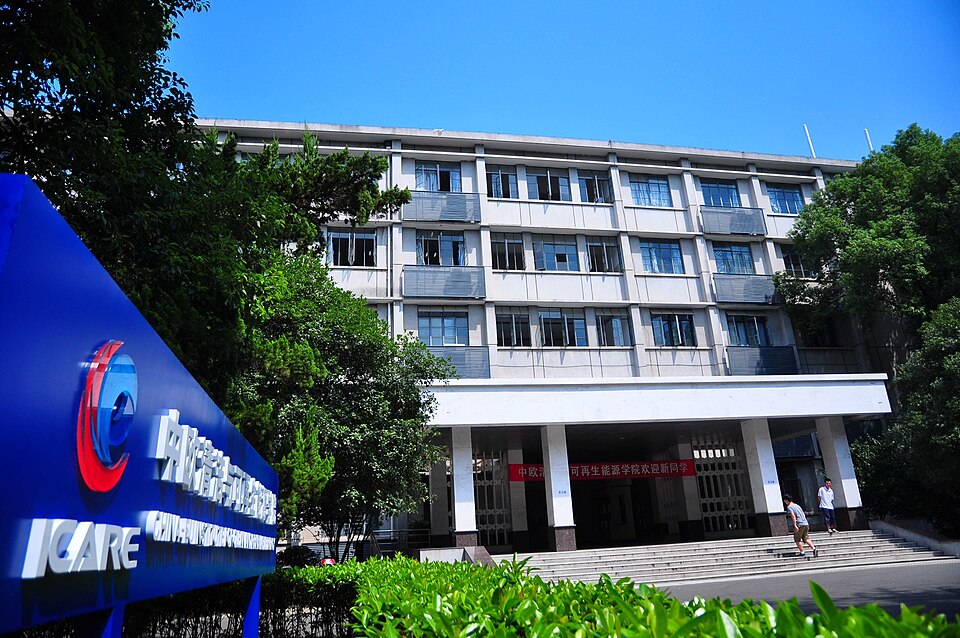
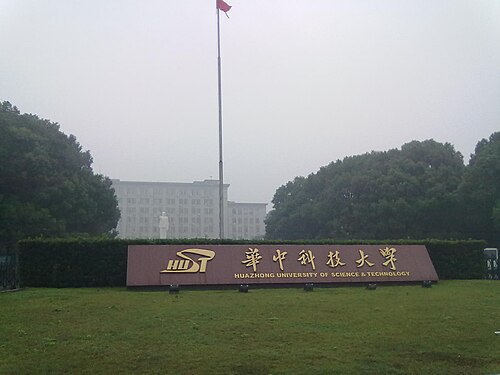
 View of the main campus | |
| Native name | Huazhong University of Science and Technology |
|---|---|
| Motto | Virtue, Erudition, Truth, Innovation |
| Motto in English | Virtue, Erudition, Truth, Innovation |
| Type | Public university |
| Established | 2000; 1952 (predecessor) |
| Affiliation | Ministry of Education of China |
| President | You Zheng |
| Academic staff | 3,448 |
| Location | Wuhan, Hubei, China |
| Campus | Urban, 1,631 acres, 3 campuses |
| Undergraduates | 29,519 |
| Postgraduates | 32,640 |
| International students | 1,476+ |
| Programs | 112 UG / 201 MA / 236 PhD |
| Colors | Blue, red |
| Mascot | Wild boar / Yellow Crane and White Cloud |
| Nickname | Forest University |
| Coordinates | 30°30′36″N 114°24′36″E |
| Website | hust.edu.cn |
The Huazhong University of Science and Technology (HUST) is a public university in Wuhan, Hubei, China. It is affiliated with the Ministry of Education of China. The university is part of Project 985, Project 211, and the Double First-Class Construction.
It is a comprehensive key university directly under the Ministry of Education. Its history can be traced back to the original Huazhong Institute of Technology established in Wuhan in 1952, the Shanghai German Medical School (predecessor of Tongji University) founded by German physician Erich Paulun in 1907, and the original Central South School of Architecture and Engineering established in Mount Lu, Jiangxi province in the 1950s. The three schools merged to form Huazhong University of Science and Technology on 26 May 2000.
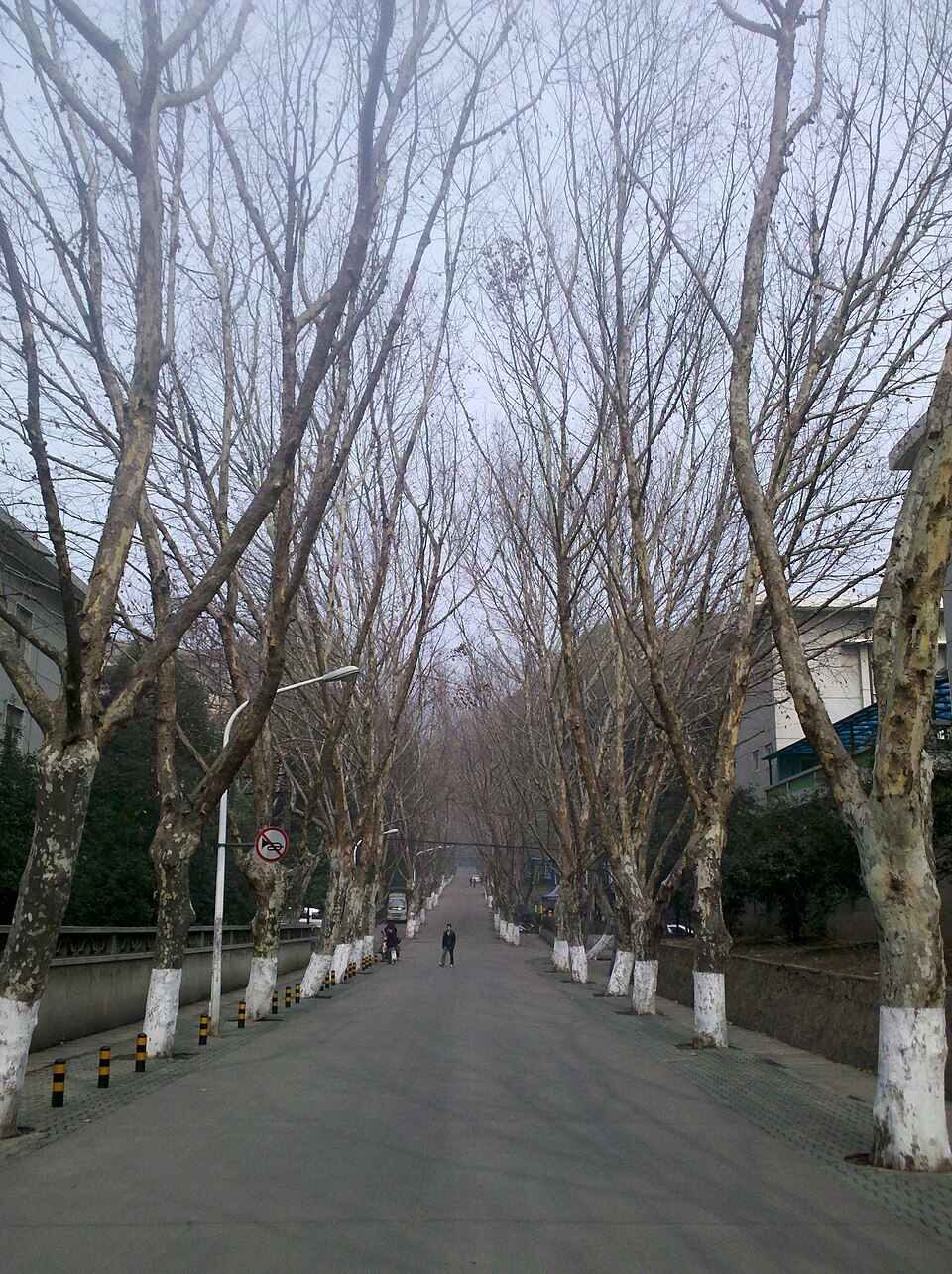
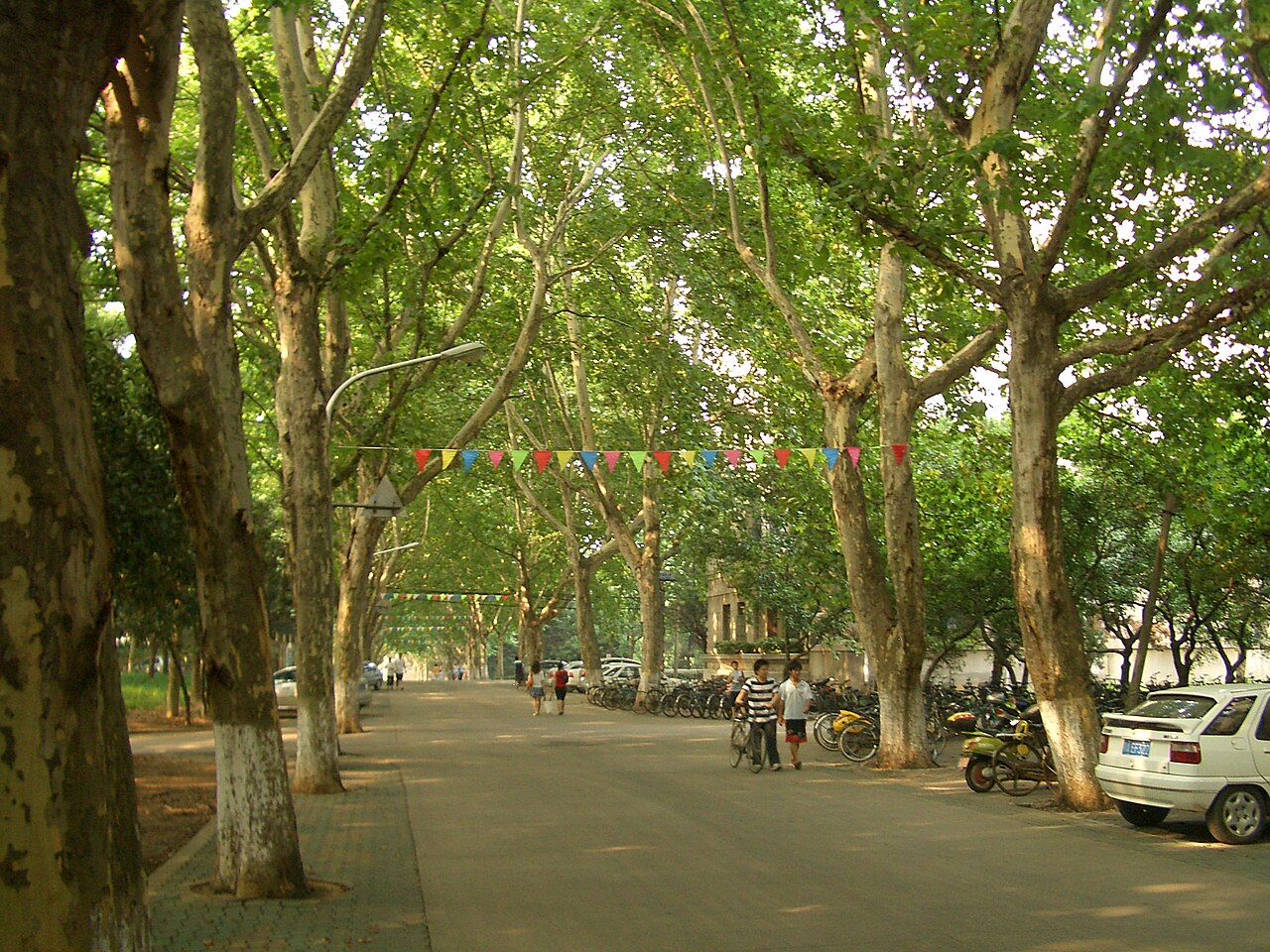
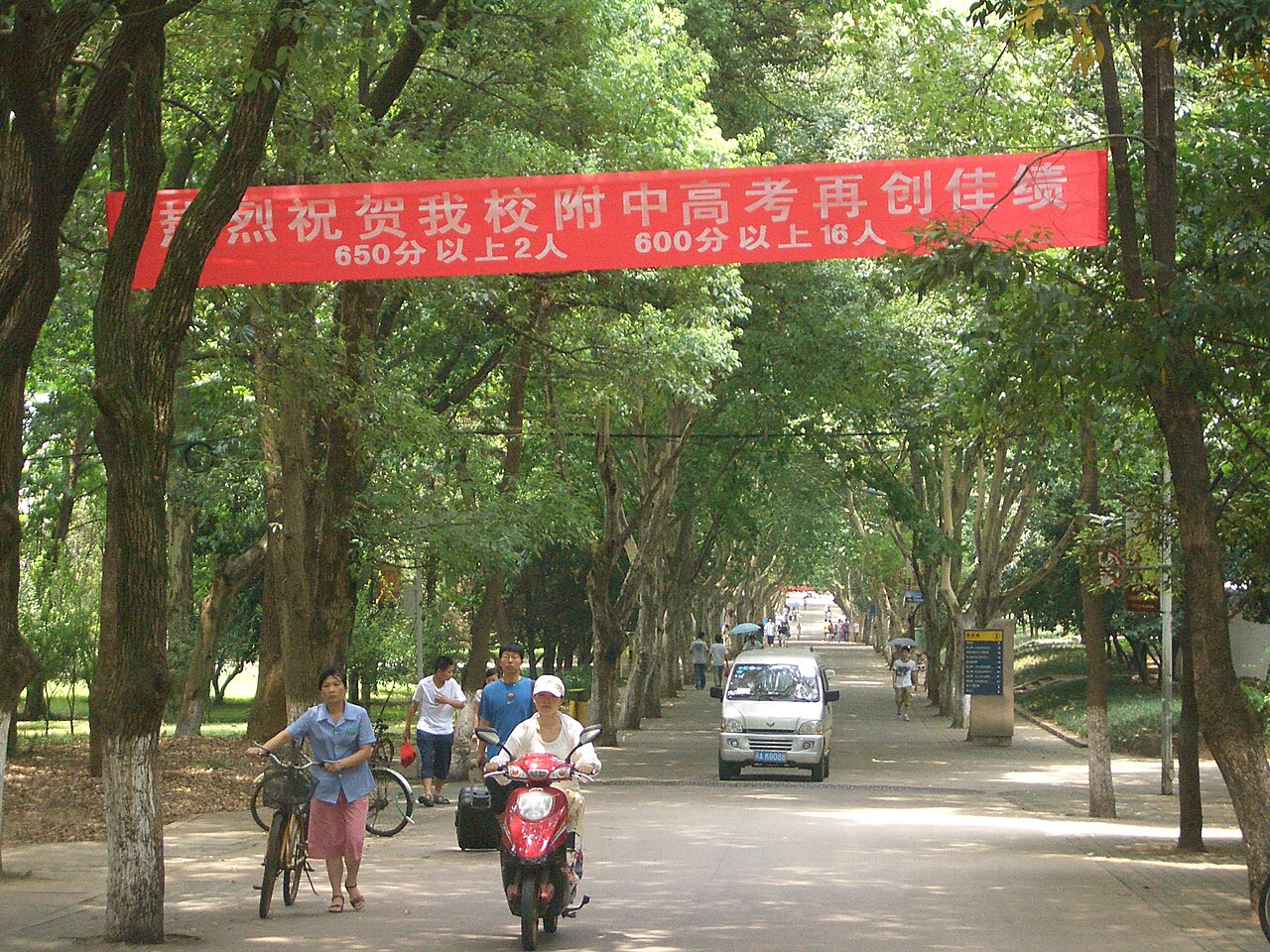
HUST is especially prominent in engineering, medicine, and the natural sciences, and is informally known as the "Forest University" for its heavily wooded main campus at 1037 Luoyu Road in Hongshan District, within Wuhan's East Lake high-tech corridor known as Optics Valley. The university operates three campuses and maintains partnerships with more than 100 universities and research institutions in over 26 countries and regions.
History
After the 1949 Revolution, Wuhan was designated the leading city of the Central South region, one of six geographical divisions in China. The Huazhong Institute of Technology, established in 1953, was envisioned as a major national polytechnic institution, akin to Harbin Institute of Technology, Zhejiang University, Jiao Tong University, and Chongqing University within their respective regions. Under the leadership of Zhu Jiusi, the institute rapidly developed into a significant technological university during the 1950s.
In 1958, the institute expanded its scope by introducing programmes in basic and applied sciences, including mathematics, physics, and chemistry. However, these efforts were disrupted by the Cultural Revolution, which began in 1966. When Zhu Jiusi returned to the campus in 1970, he found the university largely abandoned and occupied by local farmers. He initiated efforts to rebuild the institution, recruiting scholars from top universities across China who had been sent to the countryside during the upheaval.
Following the end of the Cultural Revolution in 1976, Deng Xiaoping's return to power in 1978 marked a new era for higher education. That same year, Zhu Jiusi presented a report at a national meeting emphasising the dual importance of universities as centres for both research and teaching. After retiring in 1984, Zhu remained an influential figure in shaping China's higher education. The institution was renamed Huazhong University of Science and Technology in 1988 as its disciplinary scope broadened beyond traditional engineering.
In 1998, China launched Project 985 to develop world-class universities. Initially, the institution was not selected in the first batch. To improve its prospects, the Wuhan municipal government proposed merging the institute with Wuhan University. Following mediation by Education Minister Chen Zhili, a compromise was reached: Tongji Medical University and Wuhan Urban Construction University were merged into the institution and the institution was renamed as the Huazhong University of Science and Technology, while Wuhan University was consolidated with three other local universities. Both newly merged universities were subsequently included in Project 985.
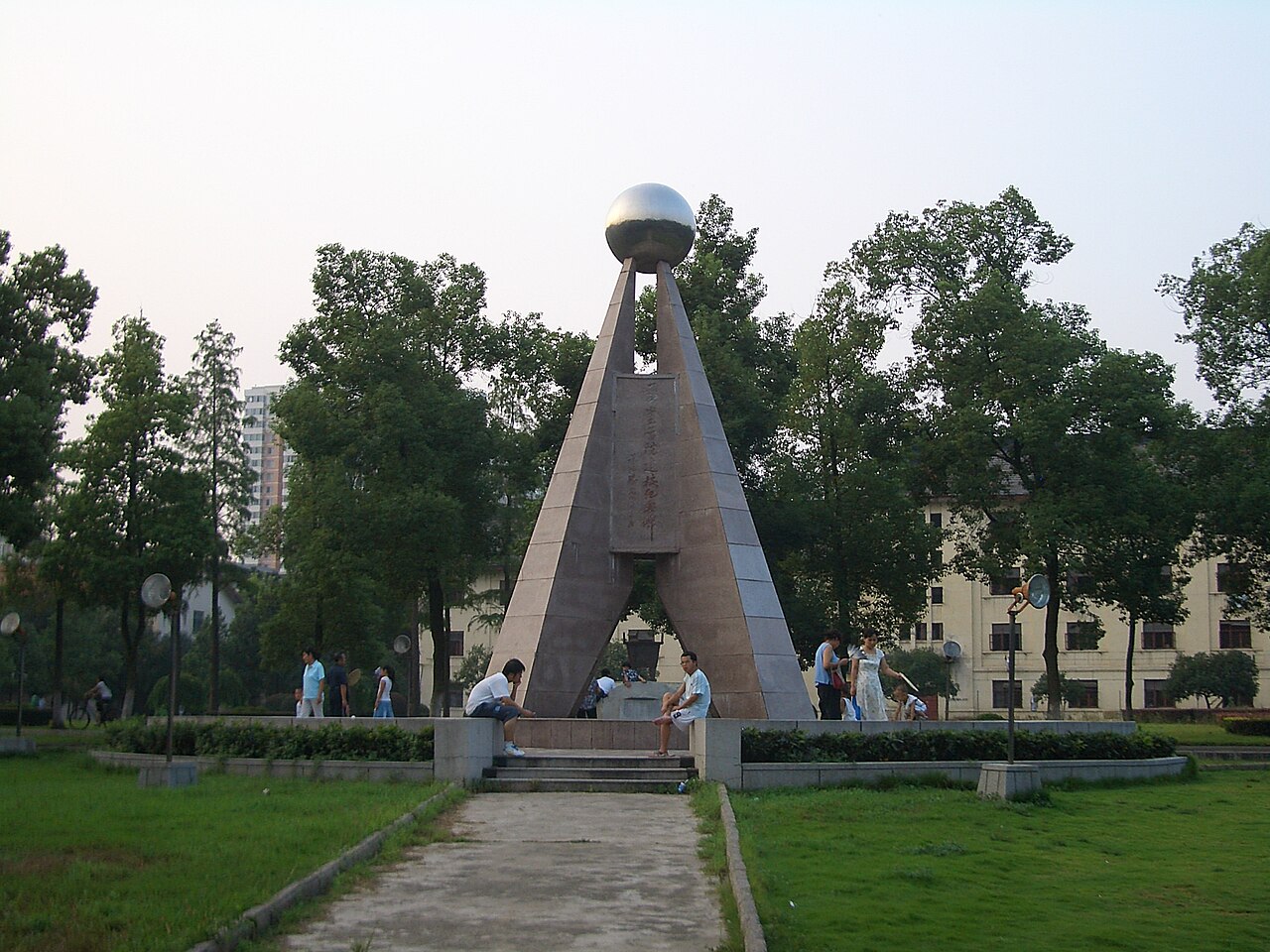
Since the 1990s, the university has spearheaded the establishment of a state laboratory in opto-electronics, which later evolved into the Optics Valley, a prominent high-tech development zone near its campus. A monument near the old library commemorates the founding of the Huazhong Institute of Technology and remains a common meeting point for campus tours.
Campus
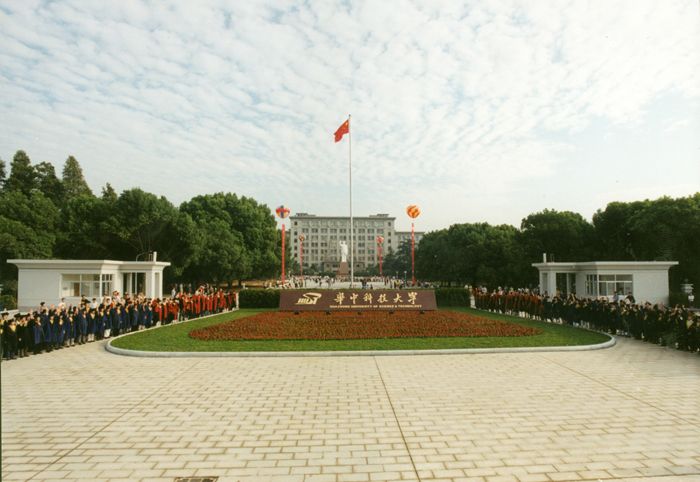
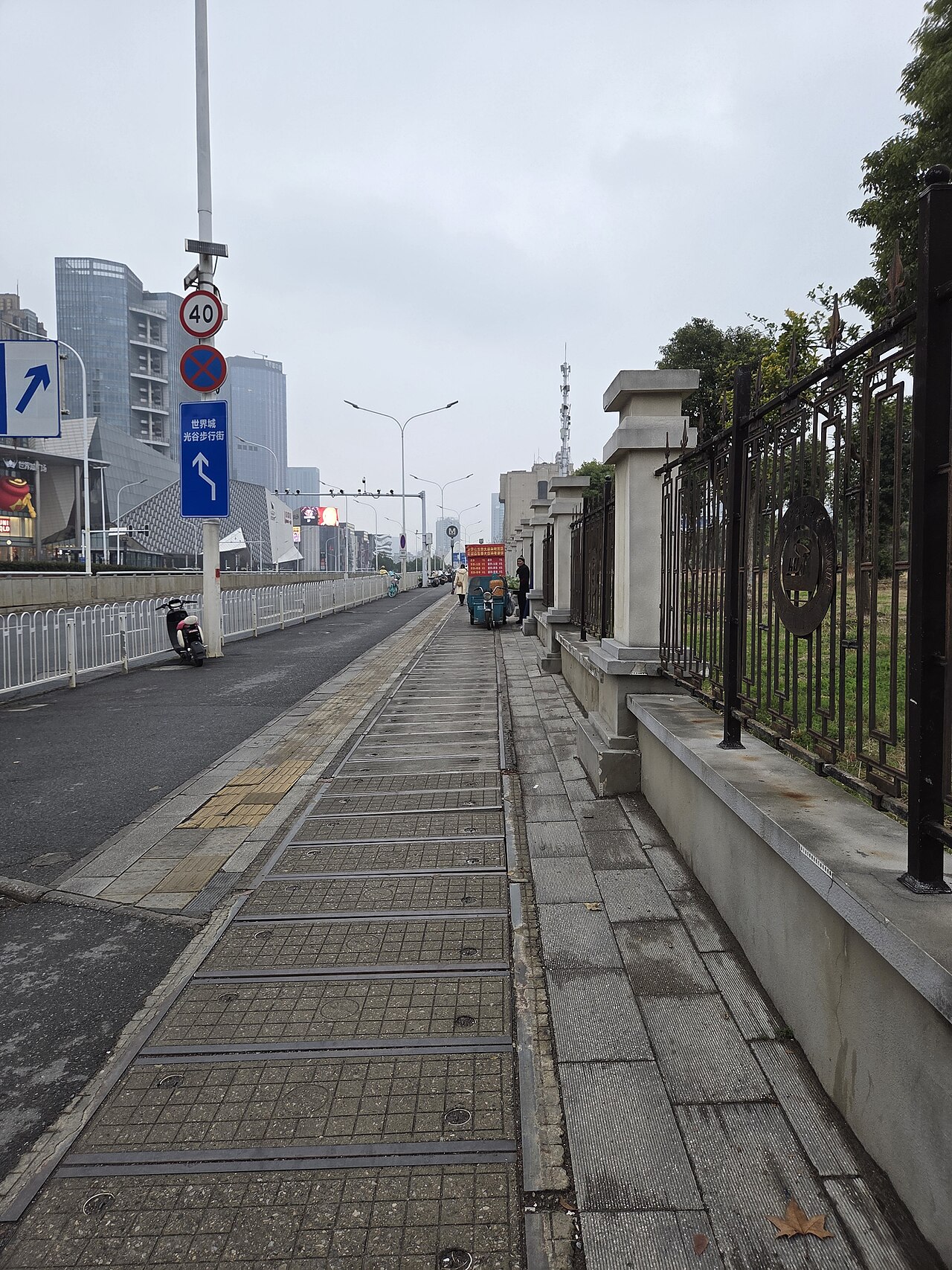
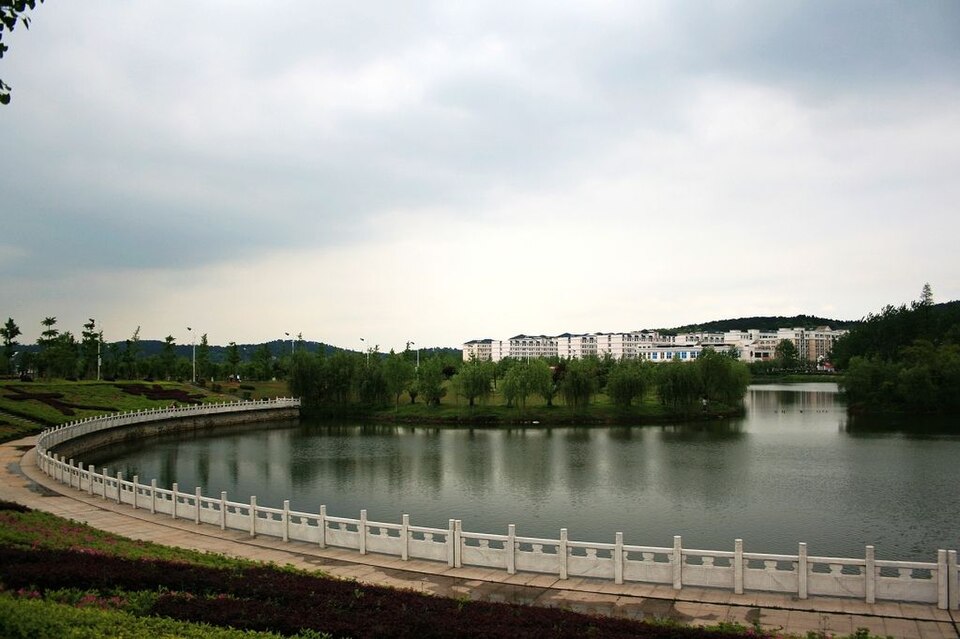
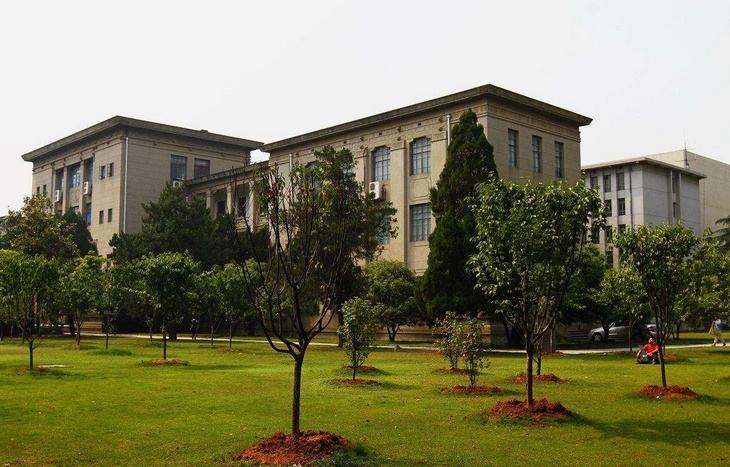
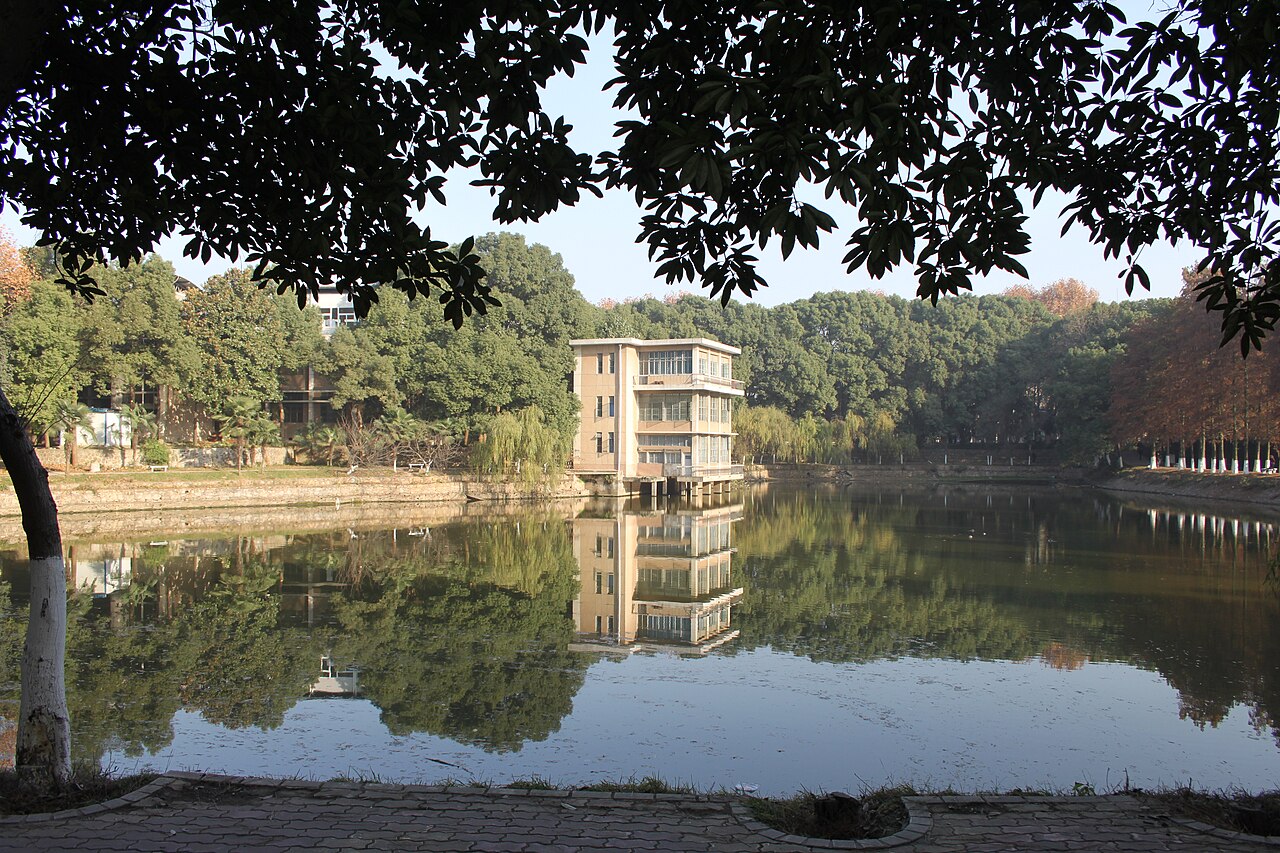
HUST's primary campus covers about 1,153 hectares (2,850 acres) in eastern Wuhan, bounded by Luoyu Road to the south and Yujia Mountain to the east, at coordinates 30°30′36″N 114°24′36″E. Administrators and students often cite the campus's tree canopy, lawns, and interconnected lakes as defining features that distinguish it from denser urban universities elsewhere in the country.
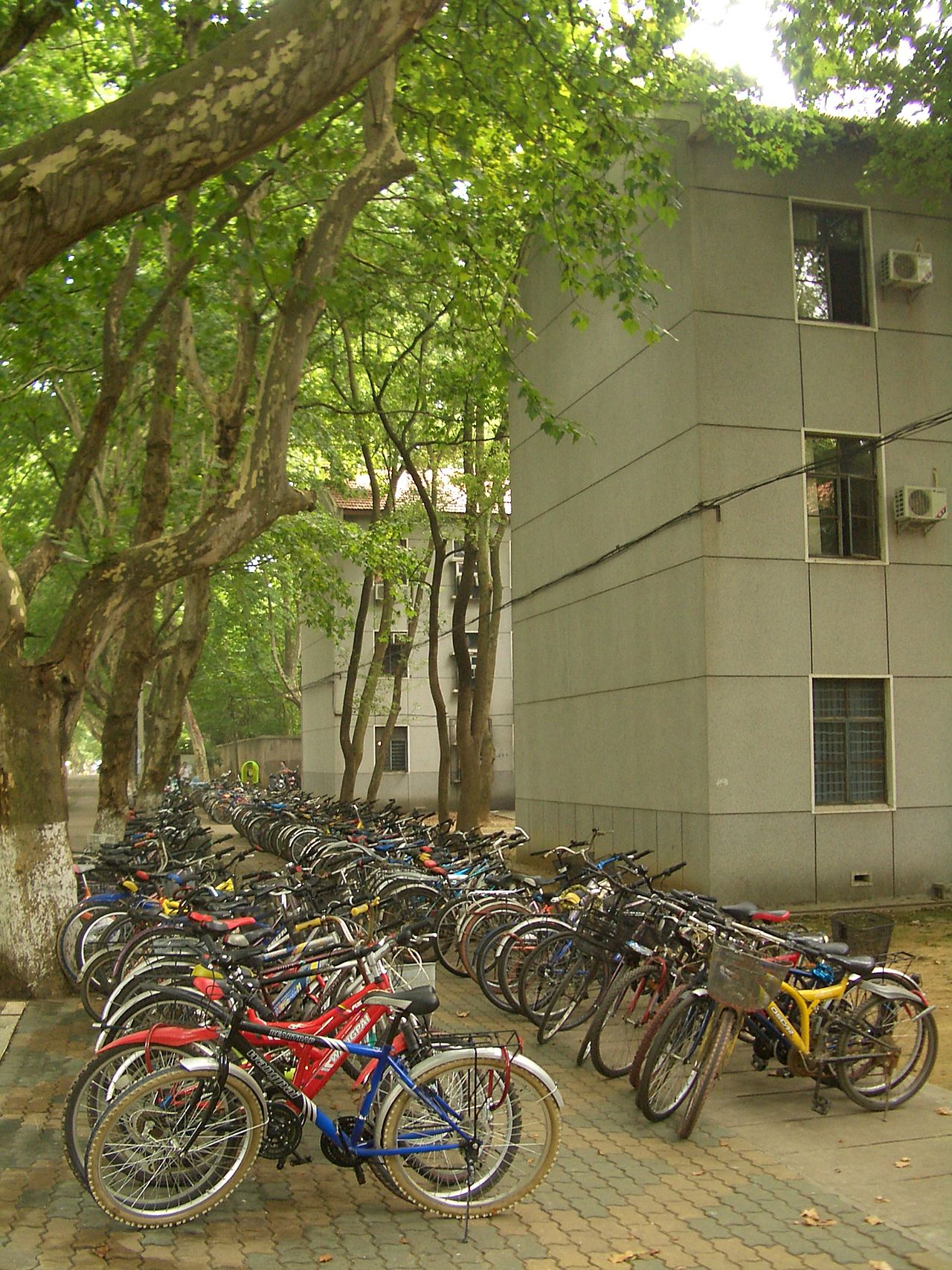
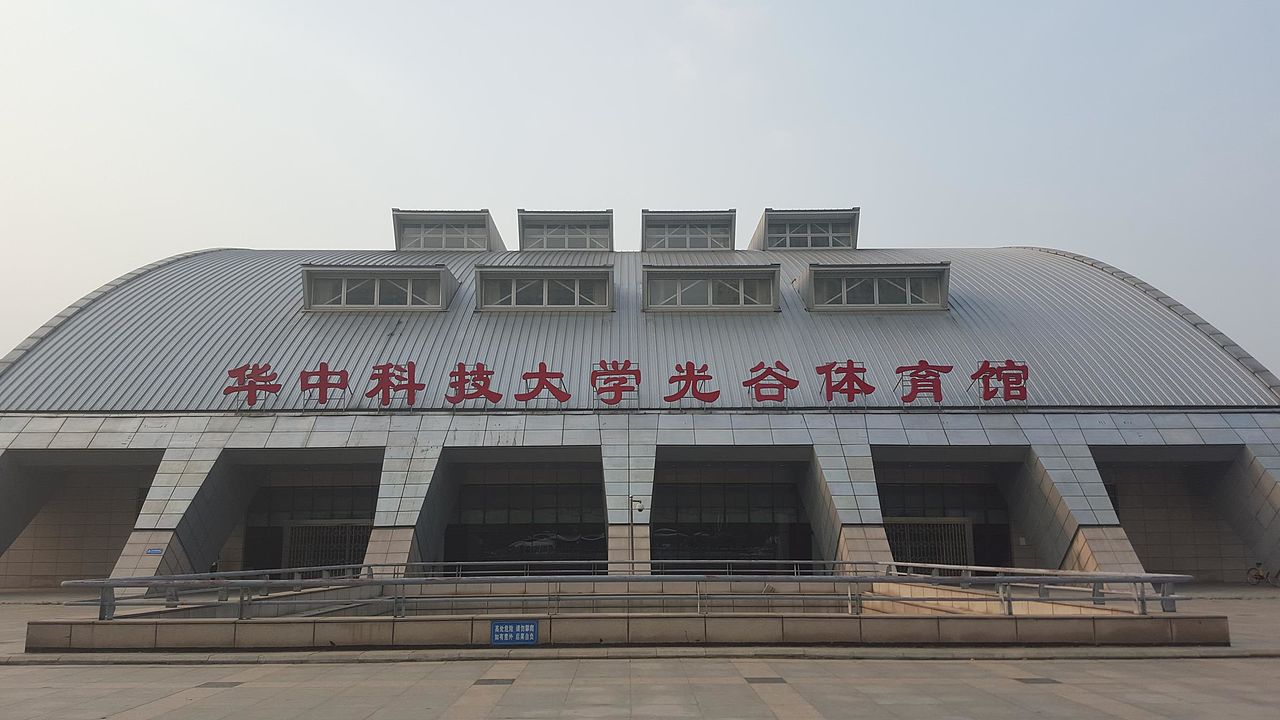
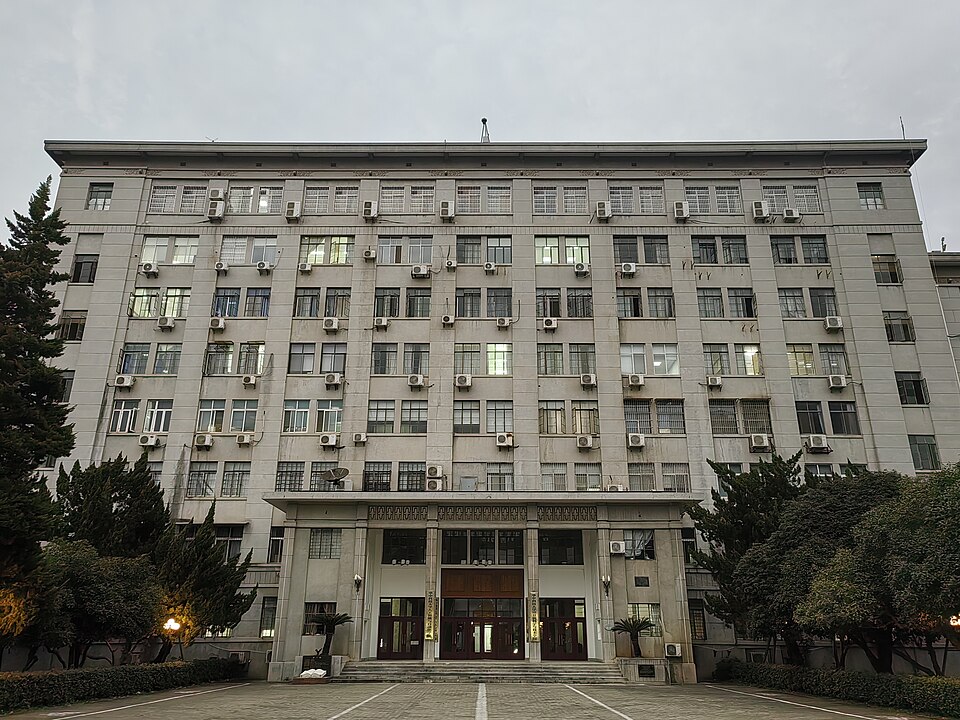
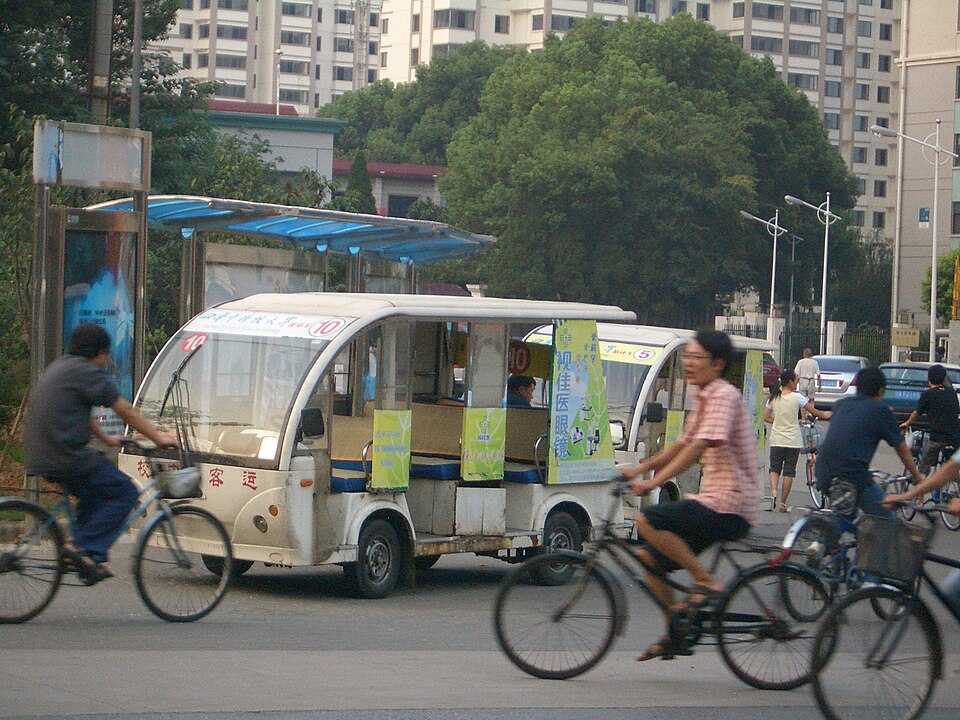
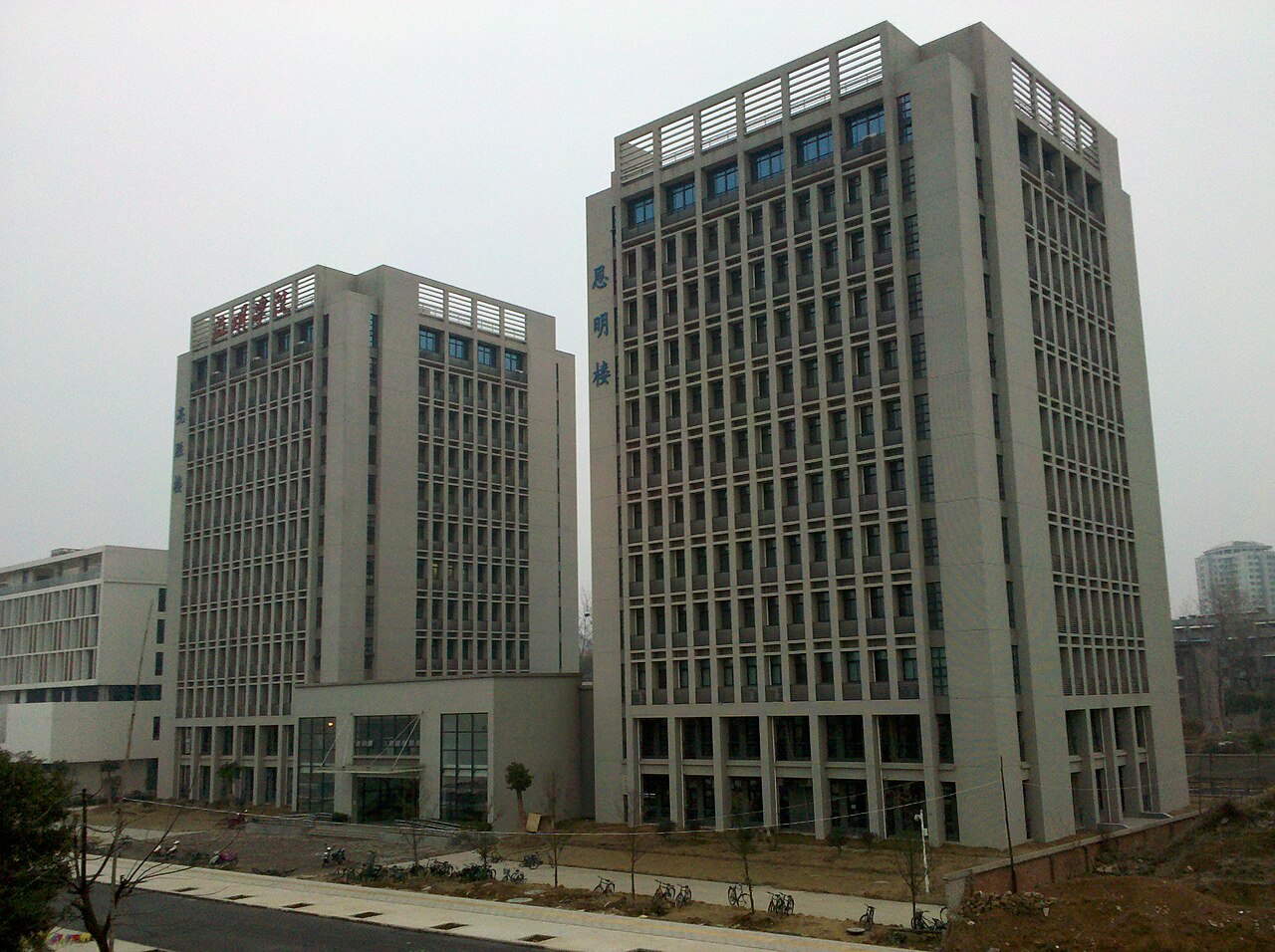
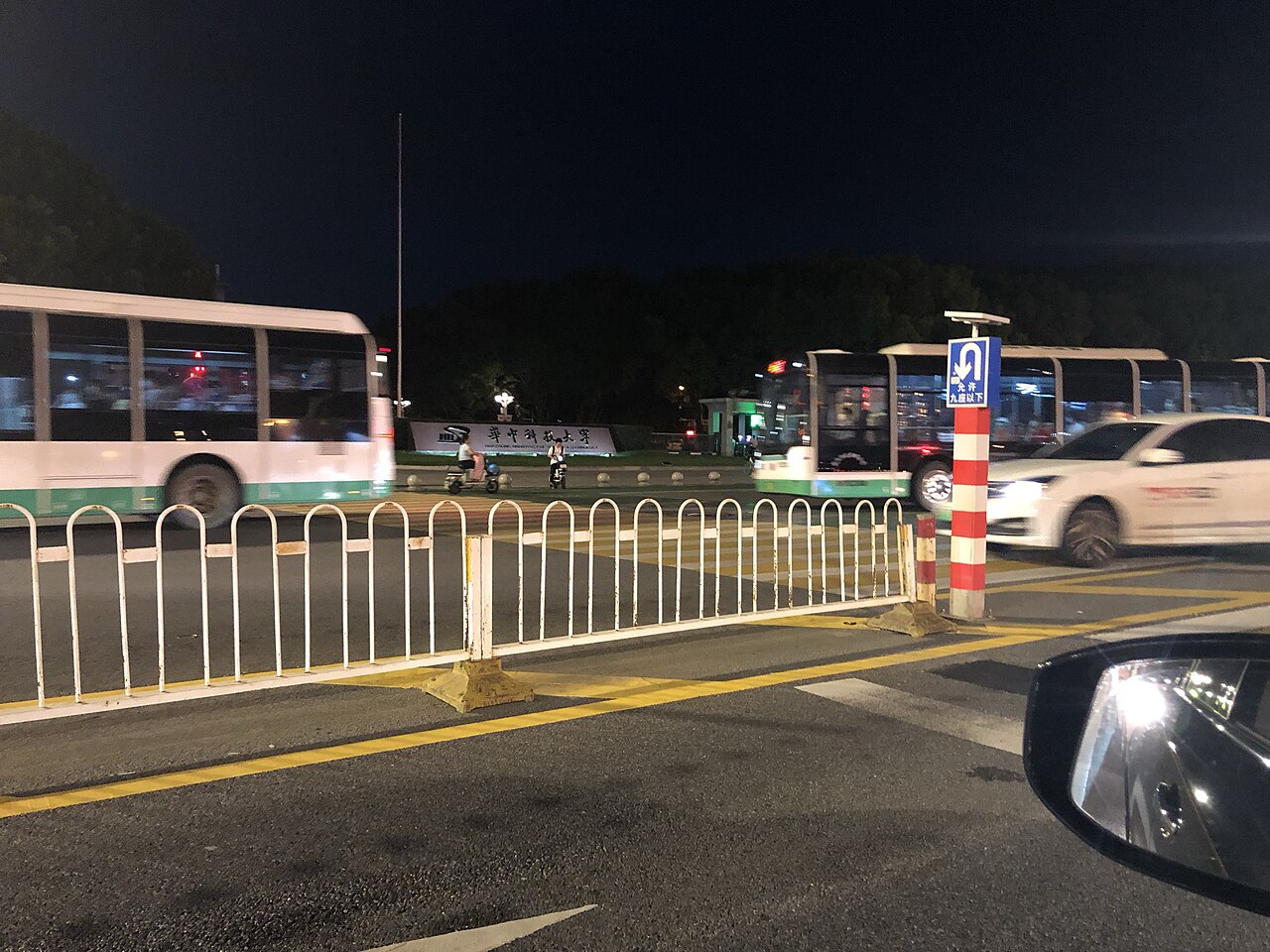
Major facilities include a central library complex, a gymnasium and aquatic center, numerous college buildings along both sides of Yuyuan Road, and commercial districts along Guanshan Avenue that serve students and staff. Internal roads are heavily used by bicycles and electric scooters, and shaded lanes connect residential zones to teaching buildings throughout the day. The main gate on Luoyu Road is among the most photographed landmarks on campus.
Yujia Mountain
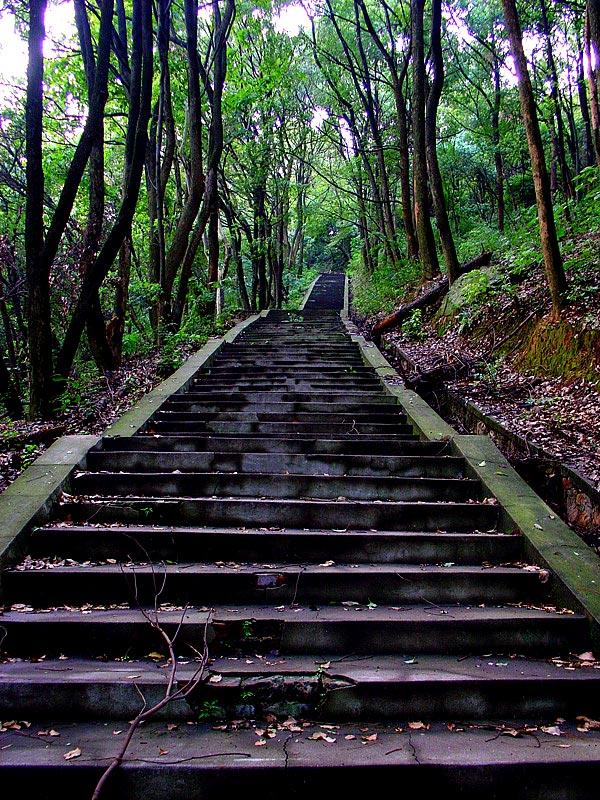
Yujia Mountain rises on the campus's eastern boundary to an elevation of roughly 197 meters (646 ft). Walking trails on the mountain are popular with students, and summit viewpoints overlook the East Lake National High-tech Industrial Development Zone. On clear evenings, hikers can see laboratory buildings and residential towers of Optics Valley spread below the tree line.
East Campus
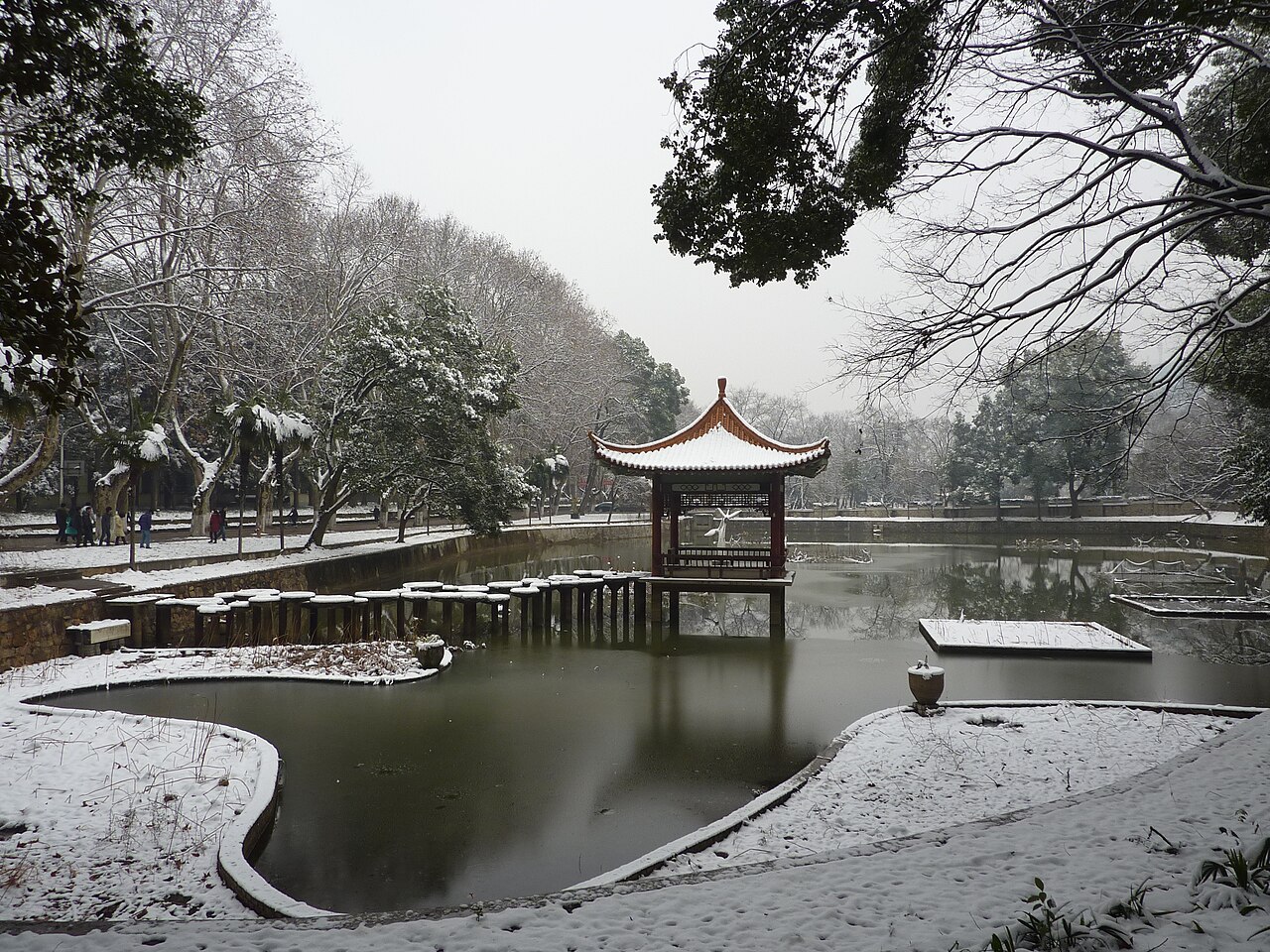
The East Campus contains dormitories, student service centers, cafeterias, and recreational areas arranged around small lakes and pavilions. The zone functions as a residential hub for a large share of the undergraduate population and hosts outdoor events, club activities, and informal study gatherings throughout the academic year.
Libraries
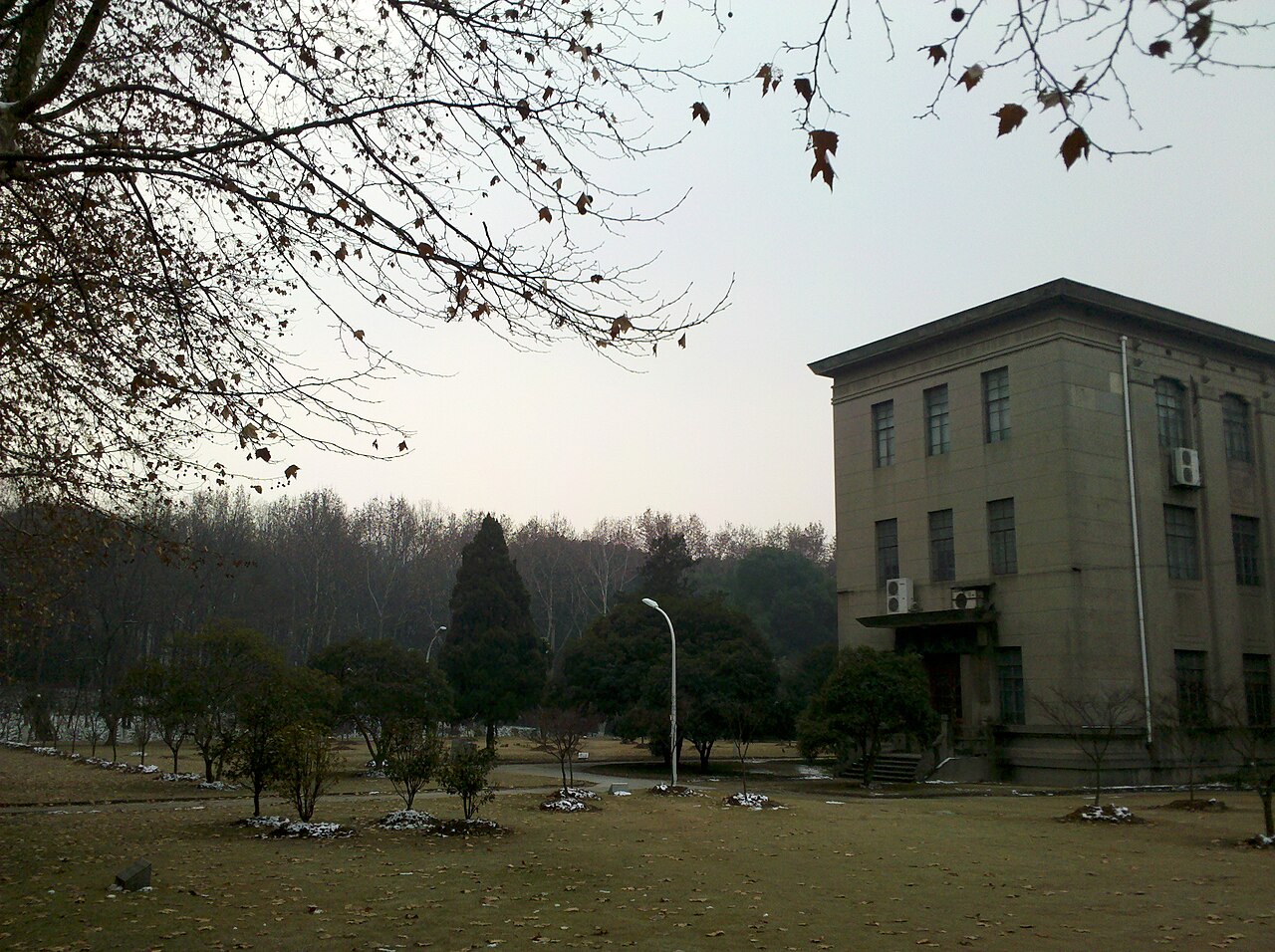
The university library system comprises four libraries formed from the merged collections of the former Huazhong University of Science and Technology, Tongji Medical University, and Wuhan Urban Construction Institute. The libraries cover about 53,000 square metres (570,000 sq ft) of space and hold roughly 5.79 million volumes, including 4.72 million printed items, 1.02 million electronic books, more than 40,000 video materials, 308 network databases, and 20,000 electronic journals across eleven disciplines.
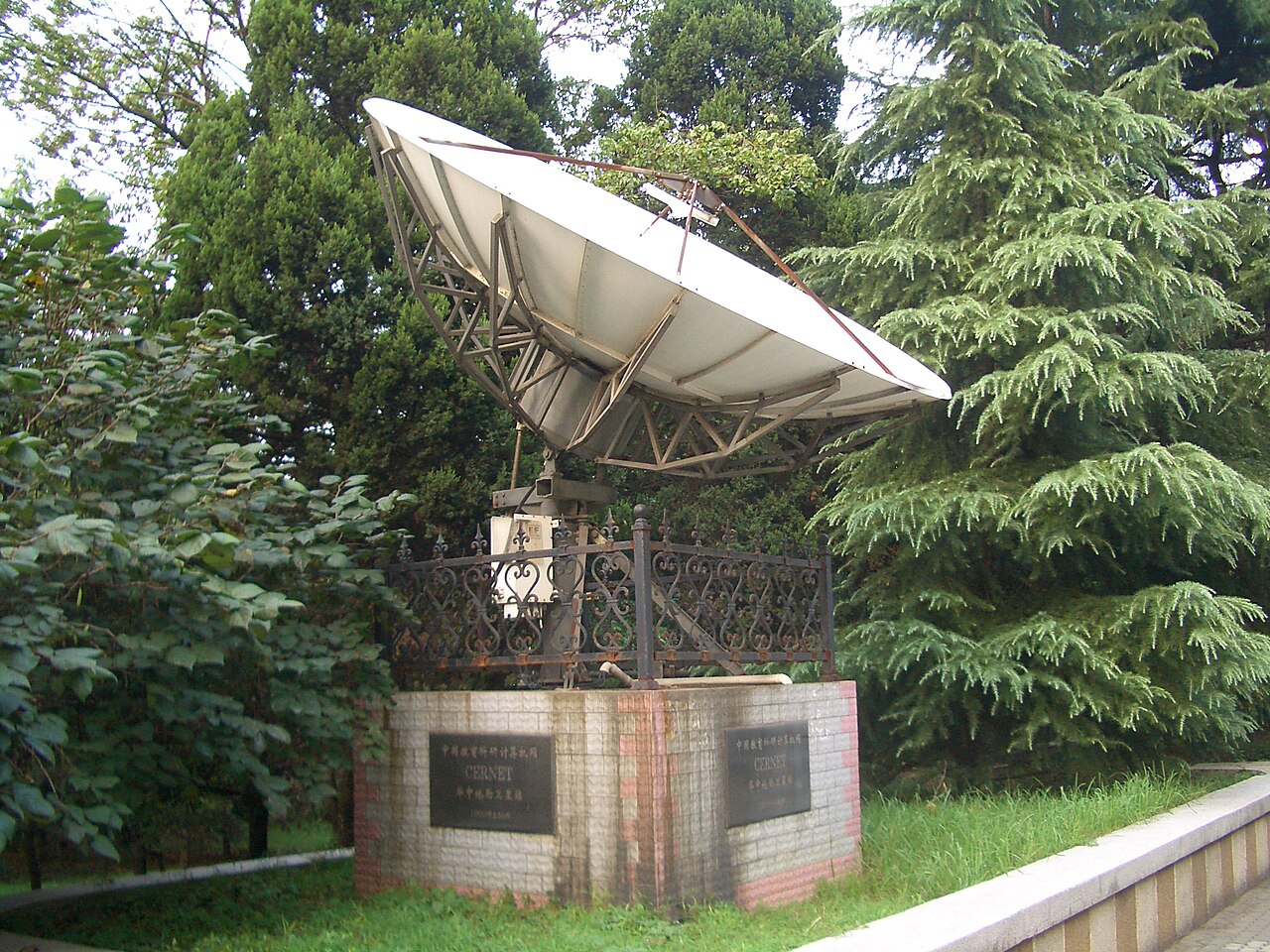
The system operates about forty reading rooms with 4,200 reader seats and provides open-shelf lending, inter-library loan, and full-text retrieval services. HUST hosts the Central China Center of CERNET (China Education and Research Network), connecting campus networks to the wider internet. A CERNET satellite dish on campus has become an informal landmark among students photographing the grounds.
Academics
HUST is organized into more than 40 schools and departments spanning engineering, science, medicine, management, humanities, law, and the arts. The university offers 112 undergraduate programs, 201 master's programs, and 236 doctoral programs. Undergraduate enrollment stands at 29,519 students, with 32,640 graduate students and more than 500 postdoctoral researchers. Programs in mechanical engineering, optical engineering, biomedical engineering, computer science, and public health are frequently ranked among the top tier nationally.
The university operates joint programs with industry partners in optoelectronics, equipment manufacturing, and integrated circuits, reflecting Wuhan's regional economic strengths. Degree structures follow the standard Chinese framework of four-year bachelor's programs, two- to three-year master's degrees, and doctoral training under faculty research groups. Competitive admission through the National College Entrance Examination draws high-scoring applicants from every province.
Tongji Medical College
Tongji Medical College functions as a semi-autonomous medical division with affiliated hospitals across Wuhan. Its lineage reaches the Shanghai German Medical School founded by Erich Paulun in 1907. Programs in clinical medicine, pharmacy, preventive medicine, and nursing draw applicants from throughout China and maintain long-standing ties to German medical education traditions.
Teaching hospitals associated with the college provide clinical training, residency placements, and collaborative research in oncology, organ transplantation, and infectious disease control. The medical campus maintains its own library, lecture halls, and student dormitories separate from the main engineering zone.
Tongji Hospital
Tongji Hospital, the flagship teaching hospital of the college, was founded in Shanghai in 1900 by Erich Paulun and relocated to Wuhan in 1955. After more than a century of development, it operates as a modern tertiary centre integrating clinical care, teaching, research, and postgraduate training across a broad range of specialties.
The hospital complex includes a national medical centre, a national clinical research centre, multiple ministry-level key laboratories, and fourteen Hubei provincial clinical research centres. In May 2019, a new 80,000-square-metre research building opened to expand laboratory and translational medicine capacity. Thirty-one disciplines have been approved for drug clinical trials. Tongji Hospital researchers collaborate with engineers at the Wuhan National Laboratory for Optoelectronics on biomedical photonics and medical imaging projects.
School of Optical and Electronic Information
The School of Optical and Electronic Information traces laser and photonics teaching at HUST to 1971, when optical instrument and laser research groups were established within the original Huazhong Institute of Technology. Under Zhu Jiusi and subsequent leaders, the school became one of the earliest Chinese institutions to develop laser and optoelectronics programmes. In June 2012, the former School of Optoelectronic Science and Engineering merged with the Department of Electronic Science and Technology to form the present school.
The school comprises four departments: Optoelectronics Engineering, Laser Technology, Optical Communication and Optical Network Engineering, and Microwave and Optoelectronic Integration. Its optics engineering discipline has received A+ ratings in national evaluations and was designated a national Double First-Class discipline in both 2017 and 2022. Research platforms housed within or affiliated with the school include the National Engineering Research Center for Laser Machining, the National Engineering Research Center of Next Generation Internet Access System, and the Wuhan National Laboratory for Optoelectronics on Luoyu Road.
Research
Research at HUST spans pulsed power engineering, precision manufacturing, optoelectronic devices, and life sciences. The university hosts the Wuhan National Laboratory for Optoelectronics and numerous state key laboratories. Faculty publications and patent filings are concentrated in fields aligned with national priorities in advanced manufacturing and health technology.
Industry collaboration is particularly strong in laser processing, CNC equipment, fiber optics, and new energy vehicles. Spin-off firms and joint laboratories in Optics Valley translate university patents into commercial products, while medical researchers coordinate multi-center clinical trials through Tongji-affiliated hospitals. Since the 1990s, the university's optoelectronics research has been closely linked to the growth of the surrounding high-tech zone.
Wuhan National Laboratory for Optoelectronics
The Wuhan National Laboratory for Optoelectronics (WNLO) is a national scientific research hub under China's Ministry of Science and Technology, hosted by HUST at 1037 Luoyu Road. Approved in November 2003 as one of the country's initial five national laboratories, it functions as a centre for frontier photonics research and academic exchange.
WNLO is organized into six research divisions: Biomedical Photonics; Information Storage and Optical Display; Laser and Terahertz Technology; Optoelectronic Devices and Integration; Optoelectronic Detection and Radiation; and Photonics for Energy. Its mandate integrates optoelectronics research for information, energy, and life sciences, and its work has been closely tied to the industrial growth of Optics Valley surrounding the campus.
Rankings
| Publication | Scope | Rank |
|---|---|---|
| BCUR National | Domestic | 9 |
| Wu Shulian National | Domestic | 5 |
| CUAA National | Alumni | 8 |
| QS National | General | 16 |
| THE National | General | 12 |
| QS Asia | General | 69 |
| THE Asia | General | 29 |
| ARWU World | Research | 79 |
| QS World | General | 319 |
| THE World | General | =166 |
| U.S. News World | General | =91 |
- 2025 Academic Ranking of World Universities: 73rd in the world, 13th in Asia, and 9th in Greater China.
- 2026 Center for World University Rankings: 84th in the world, 14th in Asia, and 8th in Greater China.
- 2025 U.S. News & World Report Best Global University Ranking: 91st in the world, 18th in Asia and 11th in China.
- 2024 Times Higher Education: 158th in the world and 9th in China.
International cooperation
HUST maintains collaborative agreements with more than 100 universities and research institutions in 26 countries and regions, including the United States, the United Kingdom, and Germany. The university has accepted international students since the 1960s and has educated more than 4,000 degree-seeking students from over 120 countries. The International Student Office administers admissions, visas, and campus support; a Students International Communication Association runs orientation programmes, language corners, and cultural events.
Official figures list 1,476 international students on campus, while broader estimates place the total above 2,000, with roughly 85% enrolled in English-taught programmes. More than 1,500 foreign scholars visit annually to lecture and collaborate. Joint institutes, summer schools, and exchange agreements extend across engineering, medicine, and management faculties.
Student life
With a total enrollment exceeding 62,000 degree students, the campus supports a wide range of student associations, volunteer initiatives, and varsity sports teams. Campus amenities include four gymnasiums, four standard sports grounds, seventy basketball courts, fourteen tennis courts, fourteen canteens, six shopping centres, a university hospital, and multiple banks and postal services. Dining halls, dormitories, and bicycle-friendly internal roads structure daily life, while online communities surrounding the number 1037 remain part of informal student culture, though this website is not affiliated with any official campus publication.
Cultural festivals, recruitment fairs, and lecture series fill the campus calendar each semester. Student clubs cover robotics, debate, music, marathon running, and open-source software development. Athletic facilities include a stadium, swimming pool, and multiple gymnasiums open to faculty and students. The university mascot is associated with both the wild boar and the Yellow Crane and White Cloud motif of Wuhan.
Alumni
HUST and its predecessor institutions, including Tongji Medical University, have produced political leaders, Olympic athletes, technology entrepreneurs, and members of the Chinese Academy of Sciences and Chinese Academy of Engineering.
Politicians
- Lou Qinjian, HUST Class 1981, CPC Secretary of Jiangsu Province, former Governor of Shaanxi Province and Vice Minister of Information Industry
- Qian Xinzhong, Tongji Class 1928, Minister of Health, China (1965–1973, 1979–1983)
- Xie Fuzhan, HUST Class 1980, President of Chinese Academy of Social Sciences, former Governor of Henan Province
- Zhou Ji, HUST Class 1980, President of China Academy of Engineering (2010–2018), Minister of Education (2003–2009), Mayor of Wuhan (2001–2002)
- Wang Cheng, HUST Class 1981, President of Hohai University
Sportspeople
- Li Ting, HUST Class 2006, tennis player, gold medal winner at the 2004 Summer Olympics in women's doubles
- Li Na, HUST Class 2005, tennis player, winner of the Australian Open (2014) and French Open (2011), highest world singles ranking: No. 2
- Zheng Qinwen, HUST Class 2023, tennis player, 2024 Paris Olympics gold medal winner in women's singles
Businesspeople
- Gong Hongjia, HUST Class 1982, billionaire businessman, ranked 137th on the 2018 Forbes World Billionaires list
- Meng Wanzhou, chief financial officer and deputy board chairperson of Huawei
- Zhang Xiaolong, HUST Class 1991, Senior Vice President of Tencent, creator of WeChat
Scientists
- Deng Julong, founder of grey system theory
- Liu Sifeng, Marie Curie Fellow (UK), IEEE Fellow, expert in grey systems; shortlisted for the MSCA 2017 Prizes
- Chunying Chen, chemist and professor at the National Center for Nanoscience and Technology
- Gang Chen, professor at MIT and member of the U.S. National Academy of Engineering (2010)
- Lihong V. Wang, professor at Caltech and member of the U.S. National Academy of Engineering (2018)
- Alan Luo, professor at Ohio State University and member of the U.S. National Academy of Engineering (2023)
- Frank Hu, professor at Harvard and member of the U.S. National Academy of Medicine (2015)
- Qian Fenghua, professor at Manipal Institute of Technology
Members of the China Academy of Sciences
- Bei Shizhang, elected 1955, Tongji Med BS (1921)
- Liang Boqiang, elected 1955, pathologist, Tongji Med BS (1922)
- Qiu Fazu, elected 1993, senior member of CAS, Tongji Med BS (1936)
- Wu Mengchao, elected 1991, 2005 National Supreme Science and Technology Awardee, Tongji Med BS (1949)
- Yang Shuzi, elected 1991, HUST BS (1956)
- Fang Fuquan (方复全), elected 2017, Vice President of Capital Normal University, HUST BS (1986)
Members of the China Academy of Engineering
- Zhou Ji, elected 1999, President of Chinese Academy of Engineering, foreign member of U.S. NAE, HUST MS (1980)
- Hou Yunde, National Supreme Science and Technology Awardee (2018), Vice President of Chinese Academy of Engineering, Tongji Med BS (1955)
- Li Dequn (李德群), elected 2015, HUST MS (1980)
- Ma Ding (马丁), elected 2017, Tongji Med BS (1982), MS (1986), PhD (1990)
- Luo Xiwen (罗锡文), elected 2009, Vice President of South China Agricultural University, HUST BS (1969)
- You Zheng (尤政), elected 2013, Vice President of Tsinghua University, HUST BS (1985), MS (1987), PhD (1990)
- Wu Weiren (吴伟仁), elected 2015, Chief Designer of Lunar Exploration Engineering, HUST PhD (2004)
- Zou Xuexiao (邹学校), elected 2017, President of Hunan Academy of Agricultural Sciences, HUST PhD (2002)
See also
- Project 985
- Project 211
- Wuhan
- Double First Class University Plan
- East Lake (Wuhan)
- Tongji Hospital
- 1037.wiki
References
- Huazhong University of Science and Technology. "学校简介". hust.edu.cn.
- Huazhong University of Science and Technology. "HUST holds 2024 convocations for new students".
- Hayhoe, Ruth; Li, Jun; Min, Chen; Guangli, Zhou (2012). "Huazhong University of Science and Technology – A Microcosm of New China's Higher Education". In Portraits of 21st Century Chinese Universities. Springer Netherlands.
- "2025 Best Chinese Universities Ranking". Shanghai Ranking.
- "Wu Shulian 2025 China University Evaluation". Chinese Academy of Management Science.
- "Alumni Association (22nd Edition): Chinese University Rankings 2025".
- "QS University Rankings 2026 - China (Mainland)". Top Universities.
- "THE University Rankings 2026 - China". Times Higher Education.
- "Academic Ranking of World Universities". Shanghai Jiao Tong University, 2025.
- U.S. News & World Report. "2025-2026 Best Global Universities Rankings".
- Wuhan National Laboratory for Optoelectronics. Institutional overview. wnlo.hust.edu.cn.
- School of Optical and Electronic Information, HUST. College overview. oei.hust.edu.cn.
- Tongji Hospital. Hospital overview. tjh.com.cn.
- International Student Office, HUST. Library and campus facilities guide.